Roof Edges That Stay Sealed and Ventilated
Soffit installation and repair in Choctaw for damaged panels, blocked ventilation, and compromised roof edges
Gaps, rot, and crushed soffit panels create direct pathways for moisture and animals into the roof cavity—problems that compound quickly once the barrier is broken. Gray Feather Roofing installs and repairs soffit on residential and commercial properties in Choctaw, addressing the structural connection between the roof edge, fascia, and gutter system. When soffit panels fail, the visible sign is often sagging or missing sections, but the more consequential damage happens in the rafter bays behind them.
Every soffit project begins with an inspection that covers not just the panels themselves but the gutter attachment points and the ventilation requirements for the attic. Damaged panels are removed and the substrate examined before aluminum or vinyl soffit is installed with properly spaced ventilation holes. The integration with the fascia board and gutter system is handled as part of the same scope, because soffit that terminates incorrectly at the fascia will redirect water rather than manage it.
Schedule an on-site evaluation with Gray Feather Roofing to assess the condition of your soffit panels and their connection to the gutter and fascia system.
How Soffit Repair Protects the Roof Structure
Soffit serves two functions that are easy to overlook until one fails: it seals the underside of the roof overhang against intrusion, and it allows air to circulate into the attic through perforated or vented panels. When panels are dented by hail, pulled away by improper gutter installation, or deteriorated at the seams, both functions stop working. The repair sequence involves removing compromised sections completely rather than patching over deteriorated material, which allows inspection of the rafter tails and lookout framing behind the panel before new material goes in.
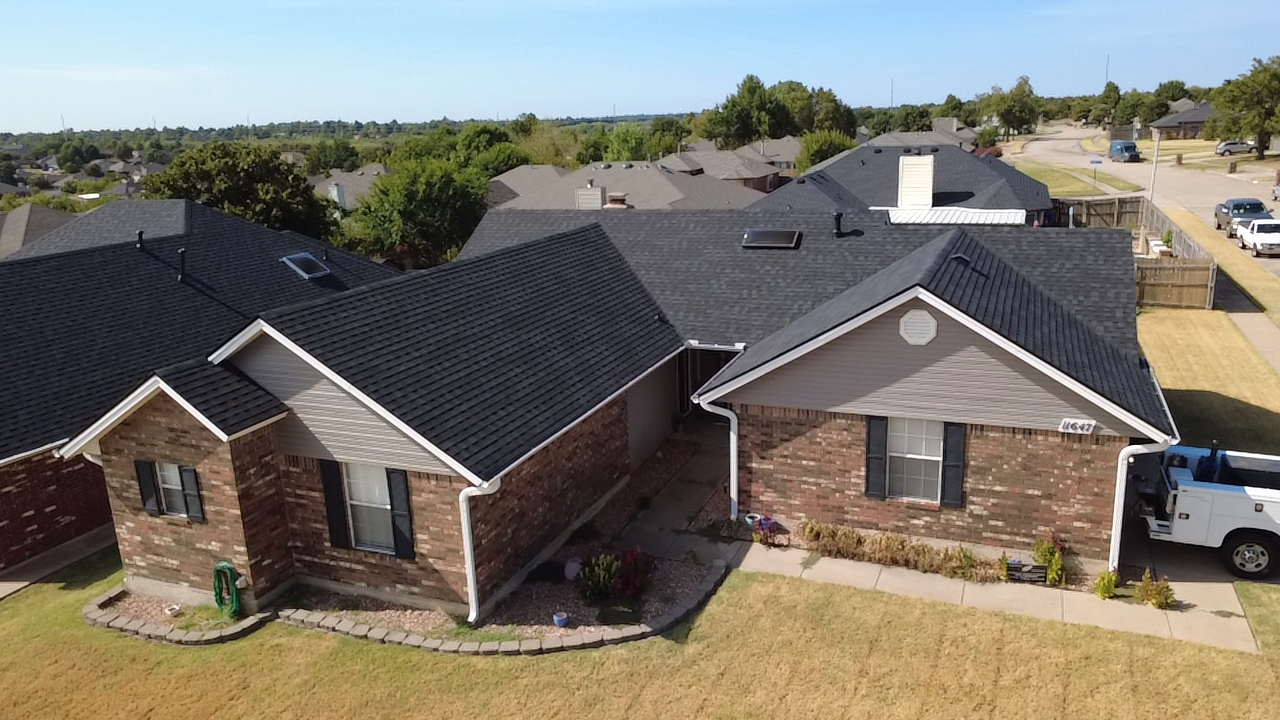
After installation is complete, the soffit line runs flush with the fascia face, ventilation openings are unobstructed, and gutter hangers attach to solid backing rather than failing panel material. Homeowners typically notice the change at the roofline—the overhang looks uniform, gaps are closed, and the gutter sits tight to the fascia rather than pulling away at brackets. Inside the attic, proper airflow resumes through the newly installed vent strips.
Material selection between aluminum and vinyl depends on the existing fascia profile and the gutter type already in place. Aluminum holds a painted finish longer and resists denting from smaller impacts better than basic vinyl, while certain vinyl profiles match wood-appearance fascia on older homes where visual continuity matters. Either material is installed with hidden fasteners where the profile allows, which prevents the panel from pulling free at exposed screw points during high-wind events.
Questions About How Soffit Work Gets Done
Property owners in Choctaw often have specific questions about what soffit work involves before work begins, particularly when the damage also involves the gutter or fascia.
What is the difference between soffit repair and full soffit replacement?
Repair addresses isolated damaged sections—patching small penetrations or re-securing loose panels—while replacement involves removing all existing material and reinstalling from the fascia edge outward; the condition of the substrate and the extent of panel failure determines which approach applies to your property.
How does soffit ventilation affect attic conditions?
Perforated or slotted soffit panels allow outside air to enter the rafter bays at the eave, which moves through the attic and exits at ridge or gable vents; blocking those intake points—through solid panels, paint-over, or debris accumulation—restricts the airflow path the entire ventilation system depends on.
What happens to the gutter system when soffit is being replaced?
Gutter sections adjacent to the repair area are typically removed or temporarily detached so the fascia and soffit substrate are accessible; brackets are re-set and the gutter is reinstalled to the correct pitch once new soffit panels are in place.
Why do soffit panels separate from the fascia on older homes?
Homes built with narrower overhangs and thinner fascia stock—common in residential construction from the 1970s and 1980s—often have soffit that was stapled or nailed directly to framing without a dedicated channel, which allows the panels to shift over time as the fascia board dries and shrinks.
What should you look for in finished soffit work to confirm it was done correctly?
Panels should sit flat without visible gaps at the wall or fascia joint, ventilation holes should be unobstructed and consistent in spacing, and the fascia face should be plumb without the soffit edge bowing outward or pulling away at any bracket location.
Gray Feather Roofing handles soffit work as part of a broader exterior scope that includes fascia and gutter integration, so repairs address the full system rather than isolated panels. Gray Feather Roofing also provides soffit installation and repair in Midwest City, Del City, and Harrah. Contact Gray Feather Roofing to arrange a roofline inspection and review what the soffit and fascia condition looks like at your property.